







Search Results for: coffee powder dosage
A Complete Guide to Coffee Grind Sizes: Comparing Grind Standards and Dosages for Seven Brewing Methods, Including Siphon, French Press, and Espresso Machines
Coffee beans must be ground before their aromatic compounds can be extracted, but different brewing devices work on different extraction principles, so grind size is not interchangeable between them. Using the industry-recognized cupping grind standard (70–75% passing through a No. 20 sieve) as the baseline, this article systematically breaks down the grind parameters and adjustment logic suited to each common brewing device, including the French press, pour-over, cold drip and cold brew, siphon, espresso machine, and moka pot. From immersion to pressurized methods, from coarse sugar to flour-fine powder, Front Street will explain one by one why each device requires a specific grind size, and how to flexibly fine-tune it according to roast level, water temperature, and extraction time, to help you find the grind solution that best suits your own cup. [more…]
Analysis of Costa Rican Specialty Coffee Bean Origins, Mirazu Geisha Blend Flavor, and Brewing Key Points
Costa Rica is located in southern Central America, and the coffee it produces is similar in quality to Colombian coffee, often used in coffee blends. This article will walk you through the bean size, acidity, and aroma characteristics of Costa Rican coffee, as well as the impact of high-altitude cultivation on flavor, with a special focus on the flavor profile of Mirazu Geisha blend coffee beans. At the end of the article, we've also compiled nine key points to note when brewing coffee, including water temperature, water quality, grind size, and recommended dosage, to help you consistently extract a delicious cup at home. If you're a fan of specialty coffee, this bean recommended by Front Street Coffee is a great place to start. [more…]
Is Blue Mountain Coffee Suitable for Siphon Brewing? A Full Analysis of Temperature, Grind Size, and Operational Details
Can brewing Blue Mountain coffee with a siphon pot bring out its delicate and refined flavors? This article uses Front Street Blue Mountain coffee as an example to share the complete process from coffee powder dosage, water quality, heat level, to stirring and tasting timing. The siphon brewing method has many variables and is the hardest to standardize, but by mastering key points such as keeping the water temperature not too high, controlling the time within one minute, and stirring gently, you can avoid the bitterness and unpleasant sourness caused by over-extraction. The article also discusses coffee powder freshness, misunderstandings about tannic acid, and the brewing principles for medium-light roasted Blue Mountain coffee, helping coffee enthusiasts use a siphon pot to brew a balanced, sweet, and mellow Front Street Blue Mountain coffee that becomes more fragrant as it cools. [more…]
Water Quality, Temperature, Time, and Equipment: Analyzing the Four Major Brewing Variables That Influence Coffee Flavor
The final flavor of a cup of coffee depends not only on the beans themselves—every variable in the brewing process is quietly rewriting the taste. Water quality is the foundation: hard water or water with high iron content will directly drag down the flavor; water temperature needs to be controlled between 80°C and 90°C, as boiling water only lets bitterness steal the show. Steeping time is equally critical, with around two minutes being the ideal range; steep too long and the aromatic oils are destroyed, while a cloudy film also rises to the surface. The material of the equipment cannot be ignored either: glass and ceramic are safe choices, while metal vessels easily trigger oxidation reactions and bring unpleasant flavors. As for the dosage, it should be adjusted flexibly according to grind size and personal taste—coarse particles often require a bit more than fine ones. Only by mastering these key points can the coffee's aroma and layers be released steadily. [more…]
American Drip Coffee Maker Operation Guide: A Detailed Explanation of Coffee Grounds Amount, Coffee-to-Water Ratio, and Brewing Process
Want to easily make a cup of hot Americano at home without being put off by complicated brewing steps? A drip coffee maker may be the most effortless choice for beginners. It is intuitive to operate and follows a standard process, and brewing a pot usually takes only five to eight minutes. This article will systematically explain the correct use of a drip coffee maker from the aspects of model capacity, water standards, coffee powder dosage, and usage steps. It will also explain the difference between it and an espresso machine in making Americano, the suitable grind size, and several compatible coffee beans recommended by Front Street Coffee, helping you consistently recreate a smooth cup of hot or iced Americano at home. [more…]
Starbucks Flat White vs. Americano: A Taste and Bitterness Comparison, and an Analysis of the Core Differences Between Flat White and Cappuccino
On Starbucks' menu, Americano, Latte, and Flat White are all very familiar options to consumers, and among them, Flat White quickly became popular after being introduced in 2020. Many people are curious: which is more bitter, Flat White or Americano? And how is it different from Cappuccino? This article will, from the perspective of Front Street, introduce the definition, origin, and cultural background of Flat White, analyze its differences from Latte and Cappuccino in terms of espresso dosage and milk foam texture, and share the specific way Front Street stores make Flat White, including blend bean selection, the coffee-to-liquid ratio of ristretto, and extraction parameters, to help you understand this milk coffee more comprehensively. [more…]
Choosing High-Value Espresso Blends by Roast Level
The value of an espresso blend lies not only in whether the price is friendly, but also in whether it can consistently produce a cup of coffee that meets everyday expectations. The roast level affects acidity, sweetness, body, and extraction rhythm, and also determines whether the beans are better suited to black coffee or milk coffee. Before buying, getting a clear picture of the roast direction is usually more important than fixating only on the origin. [more…]

Siphon, V60, and Moka Pot Compared: Which Brewer Produces Better-Tasting Coffee?
The same coffee beans, extracted with different brewing devices, can present wildly different flavor profiles. Through practical testing, this article compares three brewing methods—the siphon, the V60 dripper, and the moka pot—and analyzes the taste characteristics and suitable audiences of each. Whether you prefer light and clean or rich and full-bodied, you can find a device that suits you. The article also shares cupping feedback on Front Street Coffee beans in two flavor profiles, Colombian and Mandheling, as well as a practical little tip for choosing a moka pot to help you avoid pitfalls. [more…]
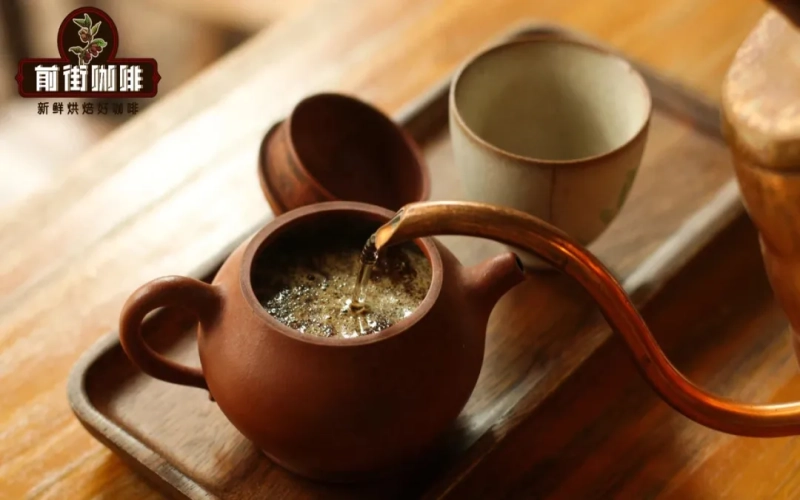
Can an espresso machine also brew concentrated tea? Testing the methods, parameters, and precautions for brewing tea with an espresso machine
The extraction principles of coffee and tea are essentially the same. Since an espresso machine can use pressure to extract a high-concentration coffee in a short time, can it also be used to extract a cup of "espresso tea"? With this question in mind, Front Street conducted an actual test: from the choice of grinding equipment, the adjustment of tea leaf dosage, to the control of the powder-to-water ratio and extraction time, the entire process of extracting tea with a coffee machine was fully recorded. Experiments have shown that a coffee machine can indeed extract tea with a concentration comparable to espresso, but many pitfalls were also encountered during the process—difficulties in cleaning the grinder, clogged portafilter baskets, and tea fragments seeping in and affecting the taste appeared one after another. This article will share the specific parameters and operating details, and give Front Street's practical advice: if you really want to try it, it is best to be mentally prepared, or add professional tea extraction tools. [more…]
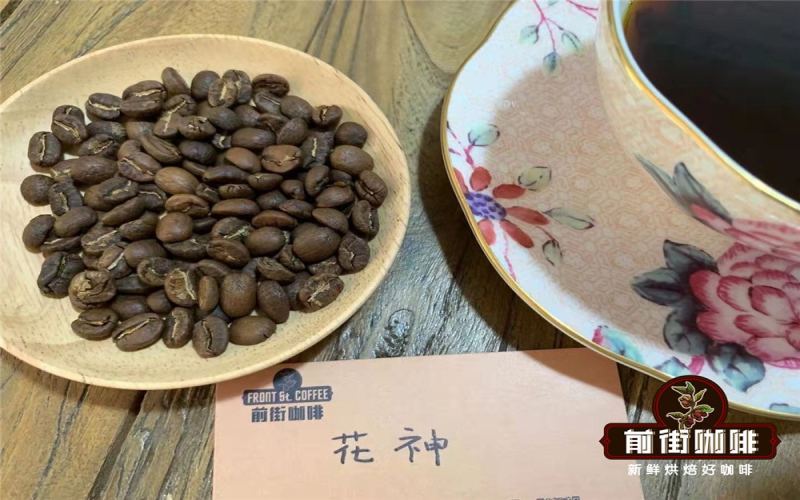
A Complete Guide to Guatemalan Antigua Coffee: Volcanic Soil, Processing Methods, and the Flora Flavor Profile
Guatemala's Antigua region, surrounded by volcanoes and blessed with a unique microclimate, produces coffee with a smoky, charcoal-roasted character that enthusiasts have dubbed "cigarette coffee." From its cultivation roots in the Mayan civilization era, to the meticulous management of the La Minita estate, and on to Front Street Coffee's Flower God coffee beans with their washed processing and medium-light roast, this supply chain carries a dual heritage of history and flavor. This article systematically examines Antigua's growing conditions, variety characteristics, and processing methods, as well as Front Street's brewing parameters and flavor performance, offering you a complete understanding of the appeal of this Central American specialty coffee. [more…]
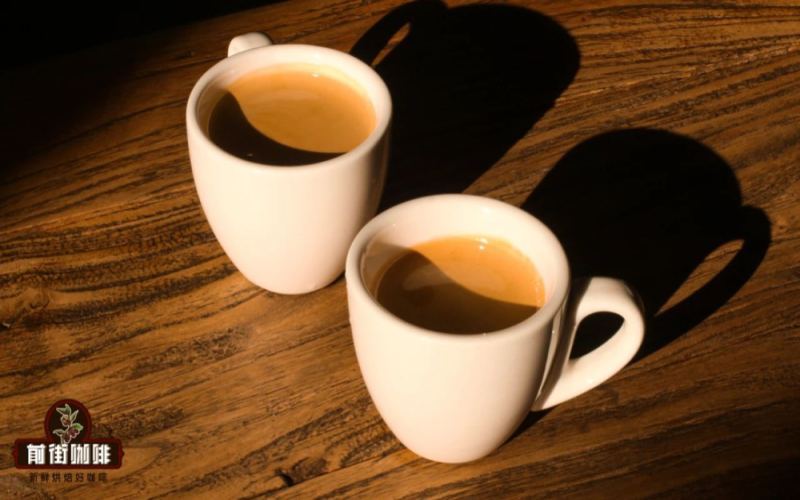
Espresso Dose Guide: Single vs. Double Basket Differences and Standard Extraction Parameters Explained
How much coffee grounds should you use when making espresso? What is the difference between single and double baskets? Drawing on Front Street Coffee's hands-on experience, this article provides a detailed analysis of the structural characteristics and current usage of single-shot espresso baskets, explaining why double baskets have become the mainstream choice. At the same time, using "Front Street Sunflower · Warm Sun Espresso Blend Coffee Beans" as an example, it fully demonstrates the standard extraction process for a double basket, covering dose, yield, time control, and distribution and tamping techniques, to help you consistently produce an espresso with thick, velvety crema and rich, layered flavors. [more…]
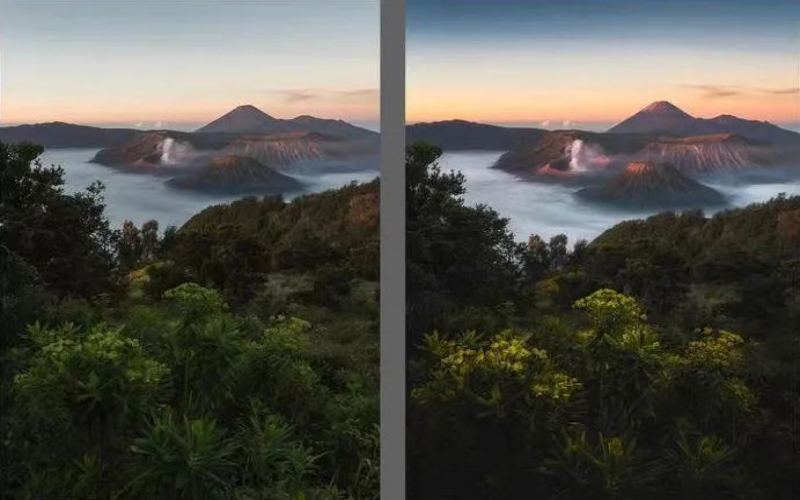
How Does Pour-Over Coffee Reveal Layering? Analyzing the Difference Between Layers and Layering, Plus Four Practical Techniques
Many coffee enthusiasts often mention the term "layering" during tasting, but what exactly is layering? How does it differ from plain "layers"? This article, from the perspective of Front Street, uses visual comparisons to help understand the meaning of layering, then returns to coffee tasting to analyze the manifestations of rich layering and two typical cases of lacking layering. At the same time, Front Street will share four practical methods, including coffee bean selection, fines retention, staged pouring, and adjusting the coffee-to-water ratio, to help you better present the layering of coffee during pour-over brewing. [more…]
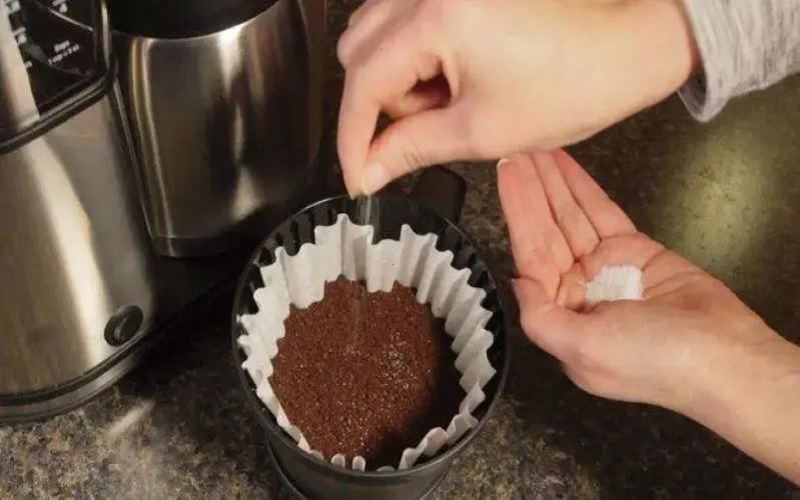
Does adding salt to coffee really make it taste better? A complete interpretation from traditional custom to scientific principle
Adding salt to coffee may sound surprising, but it is not a sudden whim of modern people. From northern Scandinavia to Turkey, from the European coast to Siberia, the tradition of salted coffee has a long history. Salt not only suppresses the bitterness of coffee but also makes sweetness more prominent, and behind this there is both historical origin and the support of food science. This article will start with the origins of salted coffee, sort out the formation mechanism of coffee bitterness, explain why salt can neutralize bitterness, and give specific salt-adding suggestions and dosage references. If you have also wondered whether this cup of salted coffee is actually reliable, you might as well read on. [more…]
The Story Behind Guatemalan Antigua Coffee Beans: An Analysis of Floral Estate Flavors, Varieties, and Brewing Parameters
Guatemalan Antigua coffee is renowned for its distinctive smoky, charcoal-roasted flavor, earning it the nickname "cigarette coffee" among coffee enthusiasts. This valley, surrounded by three volcanoes, nurtures a richly layered coffee through its volcanic pumice soil, high-altitude microclimate, and shade-grown cultivation. This article begins with the historical origins of Antigua, examines how volcanic soil imparts a smoky quality to the coffee, and focuses on the Flora coffee beans from La Minita Estate—their Bourbon, Caturra, and Catuai varietal composition, strict washed processing and organic farming management, as well as Front Street Coffee's medium-light roasting approach and V60 three-pour brewing parameters—comprehensively presenting this bean's flavor characteristics and tasting highlights. [more…]
Exploring the Flavors of Guatemala Antigua Coffee: Volcanic Soil, Smoky Character, and Brewing Parameters for Flor del Café
Guatemalan coffee is renowned worldwide for its distinctive volcanic smokiness and rich flavor, and the Antigua region in particular is hailed as a representative of the world's finest coffee. This article traces in depth the historical origins and growing environment of Antigua coffee, analyzes the causes of its tobacco and charcoal-roasted notes, and provides a detailed introduction to the varietal characteristics of La Minita Estate's Floral God coffee, its washed processing method, and Front Street Coffee's roasting and brewing recommendations. From Mayan civilization to modern specialty coffee, from the volcanic heartland to the flavors in your cup, this takes you on a comprehensive journey into the unique charm of this Central American coffee treasure. [more…]
Types of Espresso | How to Distinguish the Types of Italian Milk Coffee? How Are Americano, Latte, Cappuccino, and Mocha Made?
When you stand in front of the counter at a coffee shop, looking at the dazzling array of coffee products, such as the common latte, cappuccino, or macchiato, do you ever feel a bit confused? This time, Front Street Coffee has specially compiled an overview of espresso coffee types, so that besides being able to [more…]
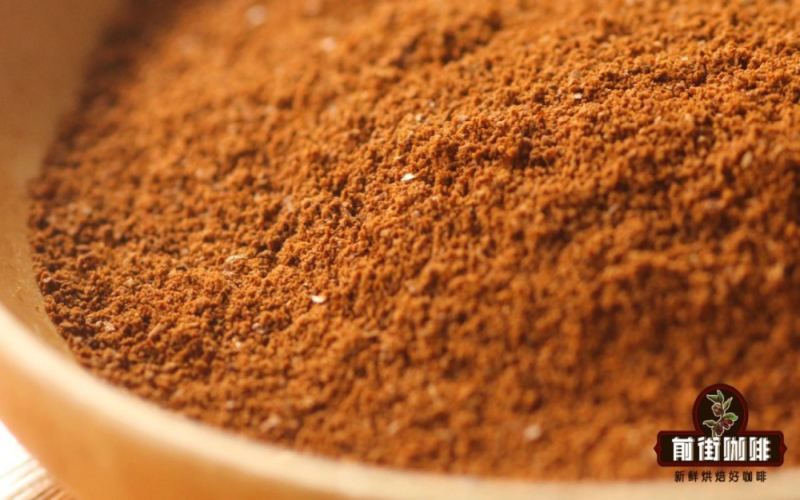
How to Choose the Grind Size for an American coffee maker? An Analysis of the Differences Between Espresso Coffee Grounds and American Coffee
In coffee making, grinding is often seen as the most easily overlooked yet crucial step. Many enthusiasts focus on water temperature, dose, or equipment, but rarely ask just how fine or coarse the grind should be. In reality, grind size directly determines extraction efficiency and flavor direction, and different devices require completely different particle specifications. Starting from Front Street Coffee's practical experience, this article first explains why fresh grinding is better than pre-grinding, then outlines the types of coffee grinders, and further provides specific methods for judging a medium grind for American-style drip machines, comparing the extremely fine powder needed for espresso with the powder used for American-style coffee. Finally, it returns to bean selection, analyzing the logic behind roasting degree preferences for espresso and American-style coffee, helping readers establish the correspondence between grinding and extraction. [more…]
Illustrated Guide to Using a Fully Automatic Coffee Machine: Detailed Explanation of Eight Key Functions and Operating Steps
Fully automatic coffee machines can complete the entire process from grinding beans to dispensing a cup with just one touch, and are becoming a popular choice for both home and office settings. This article uses text and images to explain in detail the core functions, button purposes, and usage steps of fully automatic coffee machines, and recommends suitable Front Street Coffee beans for different taste preferences. Whether you have just purchased a new machine or want to improve your daily brewing experience, you can find practical reference here to easily make a consistently delicious cup of coffee. [more…]
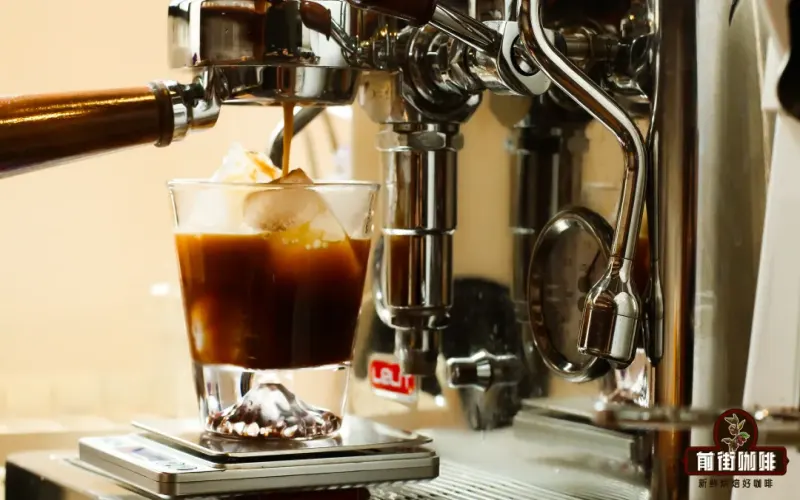
What should I do if my home coffee machine's grind isn't fine enough? Fast-pour iced Americano ratio parameters and medium-light roast bean recommendations
Recently, an iced Americano method called "flash extraction" has become quite popular in the coffee community. It bears some resemblance to the all-ice Americano, also using only ice cubes and espresso, but the amount of espresso poured in is much larger—almost equivalent to the total liquid volume of a regular hot Americano. Put simply, this method involves rapidly extracting a large amount of espresso all at once, essentially yielding a "long shot" espresso—a Lungo. The difference is that this shot does not come with an excessively high extraction rate, and contains fewer bitter compounds, so when made into an Americano, it has low bitterness and a pronounced sweetness. For those who don't have an espresso grinder, or whose grinder can't grind fine enough, this method is especially friendly—you just need to appropriately increase the water amount to compensate for the lack of extraction efficiency caused by coarser grinding and insufficient puck resistance. Below, Front Street Coffee will discuss the specific parameter ratios and recommend a few medium-light roast beans suitable for this method. [more…]
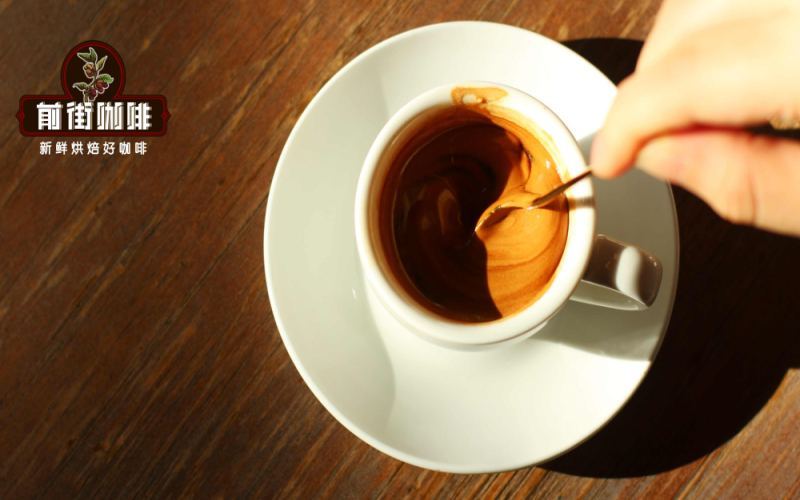
Delonghi Coffee Machine Americano Coffee Making Steps and Italian Blend Coffee Bean Brand Recommendations
As a coffee machine brand originating from Italy, De'Longhi is widely recognized in more than eighty countries around the world thanks to its stainless steel body and patented cappuccino system. To make a delicious Americano with it, bean selection and operation are equally key. This article first sorts out De'Longhi's main models and purchasing considerations, then, centering on the Front Street Coffee espresso blend series, introduces the flavor characteristics and suitable scenarios of three beans—Classic Blend, Dark Cocoa Base Blend, and Strawberry Candy Espresso—and finally provides the specific Americano-making process from grinding, distribution, and extraction to stirring, for coffee lovers' reference. [more…]